If you’re short on time, here’s the bottom line: the workshop succeeded “beyond anything we could ask or imagine,” thanks be to God.
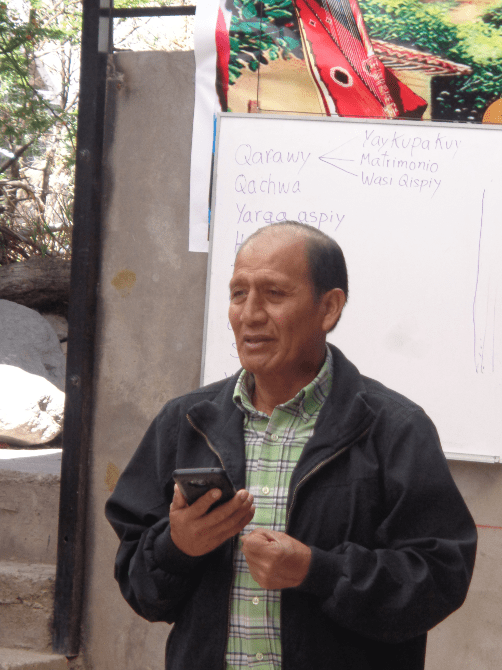
As on the second day, we had new faces in the workshop on the third day, and some who had been there before did not return, so our final count was about twenty for the day. But there was plenty of enthusiasm, especially among those who had been there all three days, so we are greatly encouraged.
During the final discussion, Pastor Julian, an older man, said of the presentations of what the Bible says about culture and worship and the place of music in worship, “We have not had much education, and we haven’t been to Bible school, but this was like a seminary course for us.” That was precisely what we went there to do.
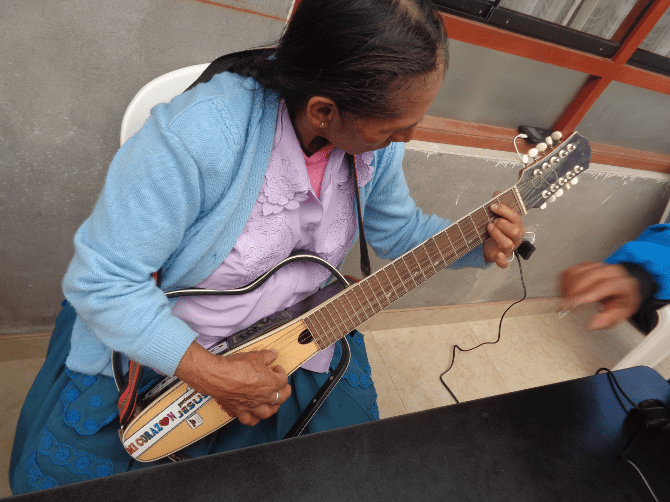
Two themes that surfaced repeatedly were the need to teach children and youth the importance of their Quechua heritage and to overcome the poverty that plagues the more remote Quechua areas. While the days of the dominant culture referring to Quechuas as “animals without souls” are gone, younger Quechuas understandably want to be part of the world culture, and they know that the key to that world is Spanish or even English, not Quechua. So we will be praying for our new friends as they continue the long process of wrestling with these issues.
(Speaking of Spanish, the Quechuas and perhaps the mestizo Peruvians speak of the national language as Castellano, not Español, the latter being the language of Spain. Quechuas associate the word Castellano, at least so we were told, with the Español word castigar, to punish. After the conquest, the Spanish would enslave the Quechuas and punish them when they were recalcitrant. So Castellano – again, so we were told – is to them the language of the punishers.)
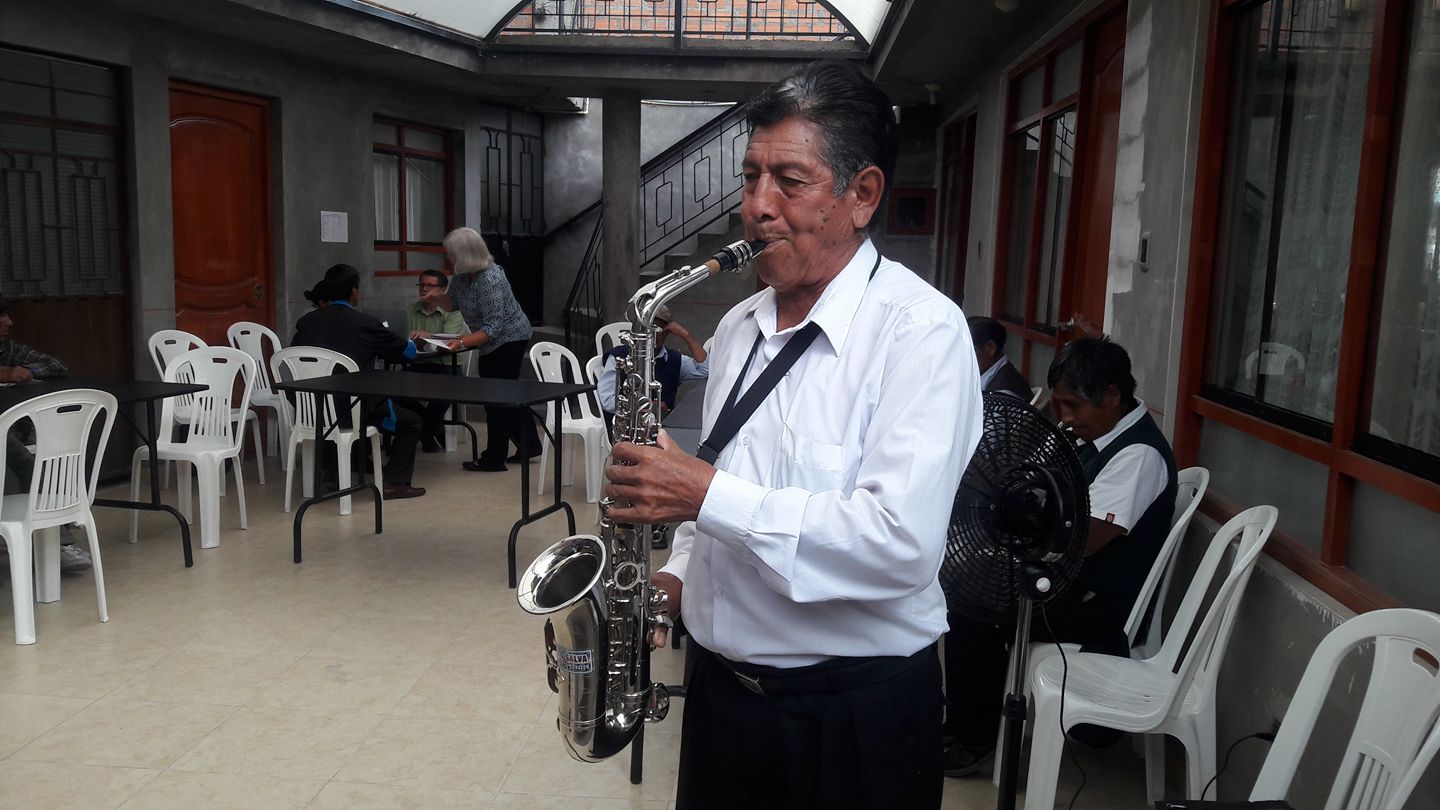
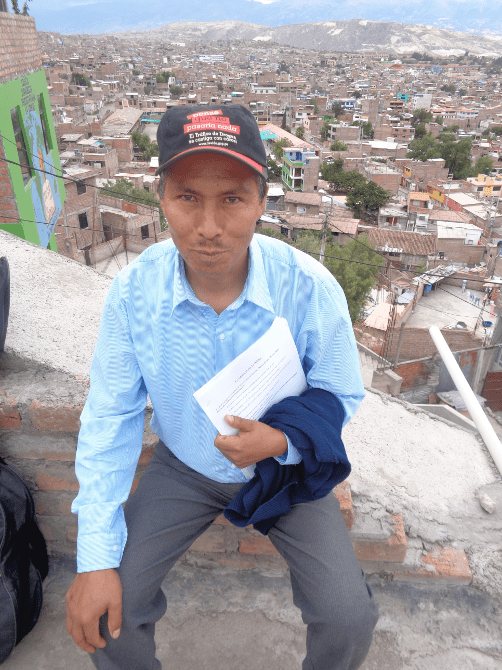
From there the discussion moved to plans for the future, and we were pleased that they went beyond “We ought to do something sometime” to forming an association, El Cantor de la Nueva Jerusalén, The Singer of the New Jerusalem (a tweak of the name Pastor Samuel gave to our workshop, The Singer of Jerusalem). This organization will organize a bigger event for next year that will include communities that are further away. Rather than another workshop that lays theoretical foundations, they want next year’s reuniónto focus on the composition and performance of new songs in Quechua style, and they even floated the idea of a songwriting contest. They voted in officials, all of whom are rural pastors and who seemed honored to serve, and they set dates, so we expect that they will meet the goals they have set for themselves.
The closing ceremony was filled with speeches of thanks to God for our time together, with more singing, and then – as a complete surprise to us – they gave us gifts in appreciation for our time spent with them.
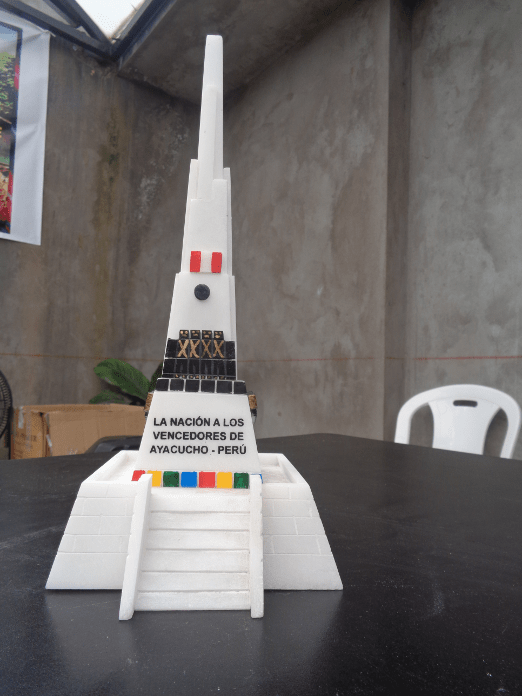
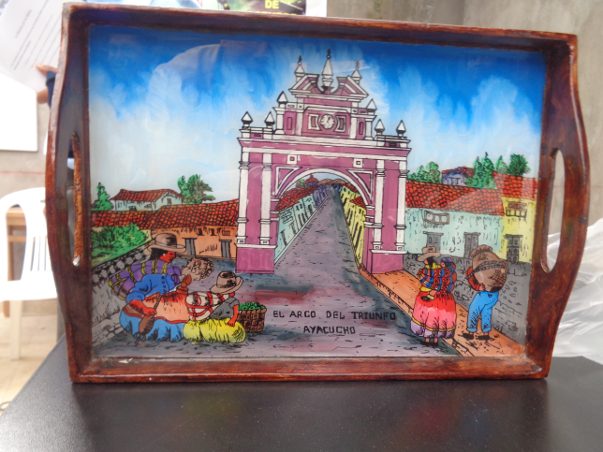
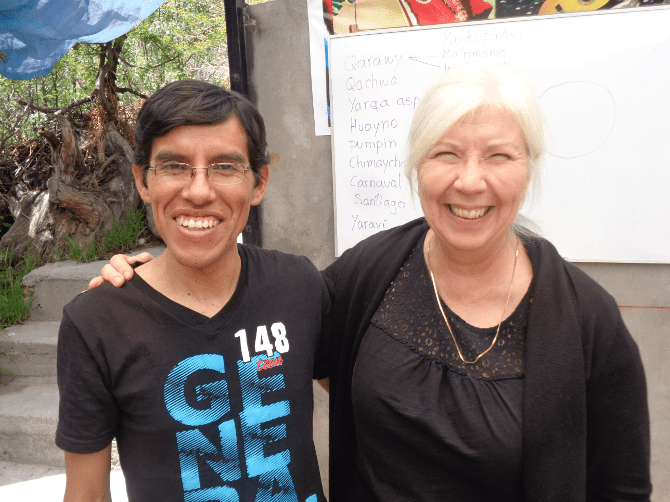

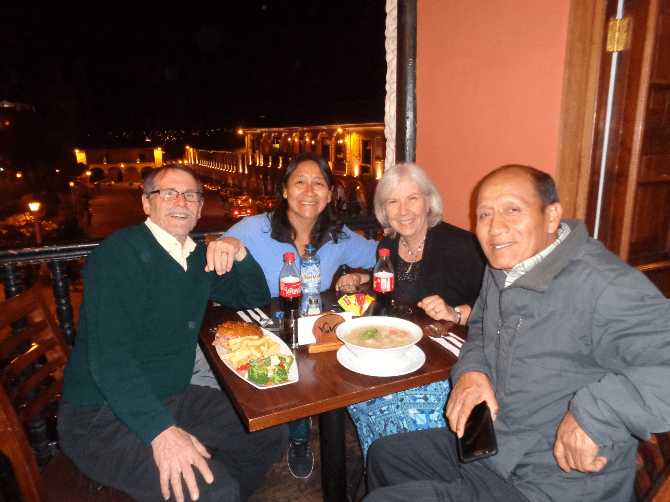
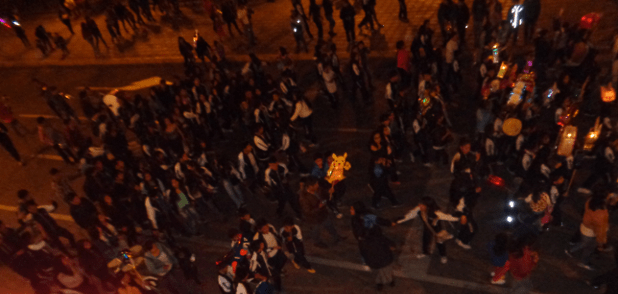
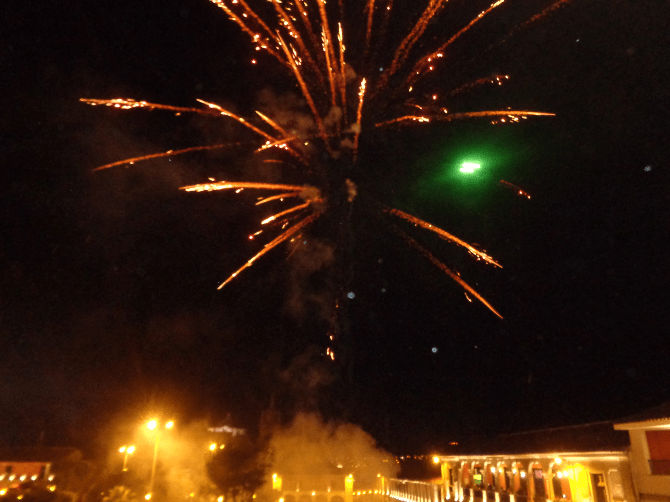
The day ended after Pastor Samuel and Sister Rosa took us to dinner at a restaurant overlooking Parque Sucre. Fireworks displays to accompany various festival parades in honor of schools and other organizations are a regular part of Friday evenings at Parque Sucre, and they fit right in with the thankfulness we felt for God’s work over the last three days.
 Vernacular Discipleship through Music
Leave a comment