Dear Teammates,
So, you may be wondering, how did it go?
All in all, we’re pleased with the trip. It was by far the most challenging trip of this type we’ve done so far, but it was also on a much larger scale than we’d ever been part of before. This was the first time we had ever gotten sick on a trip—we both got bad respiratory infections—so our last few days were basically unproductive. Also, our schedule did not allow enough time to regroup between workshops or to properly organize all the data we received at the first before starting the second.
However, despite the tough times, we could see God working out his good plans and pouring out blessings all along the way.
The two workshops—first with the Baka and then the following week with the Esimbi—exceeded our expectations with attendance and participant enthusiasm. Participants from both groups got to mingle with people from other parts of their language areas whom they may not otherwise have known. The attendance for both were more than half again what we had expected, which was a challenge for the ladies who were cooking the afternoon and evening meals.
The daily schedule was a challenge for us. “Breakfast at 8 am” looked to us more like breakfast at 10, and as a result, some of the activities we had planned for later in the day were rearranged, shortened, or eliminated.
We ate primarily African food—corn fufu, cooked greens, rice, beans, and tuberous vegetables, as well as small bits of chicken, fish, or beef. The food was tasty, but we were never sure what the meals would consist of or when they would be served, and this was hard for our “mature” bodies to adjust to, though the interns were resilient and managed the situation well.
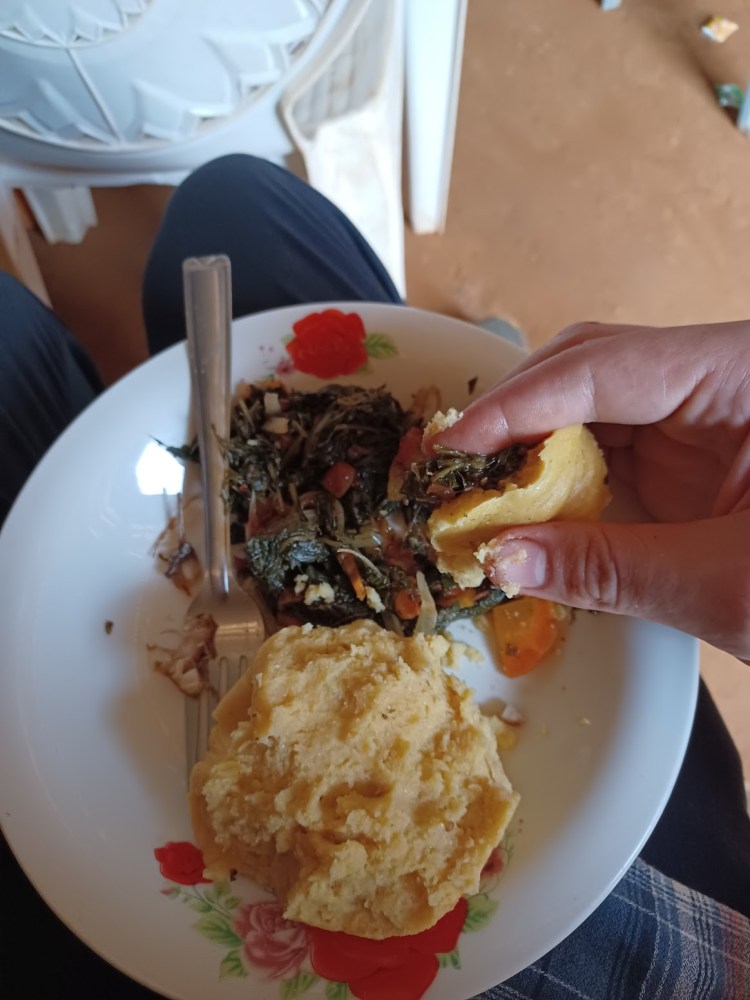
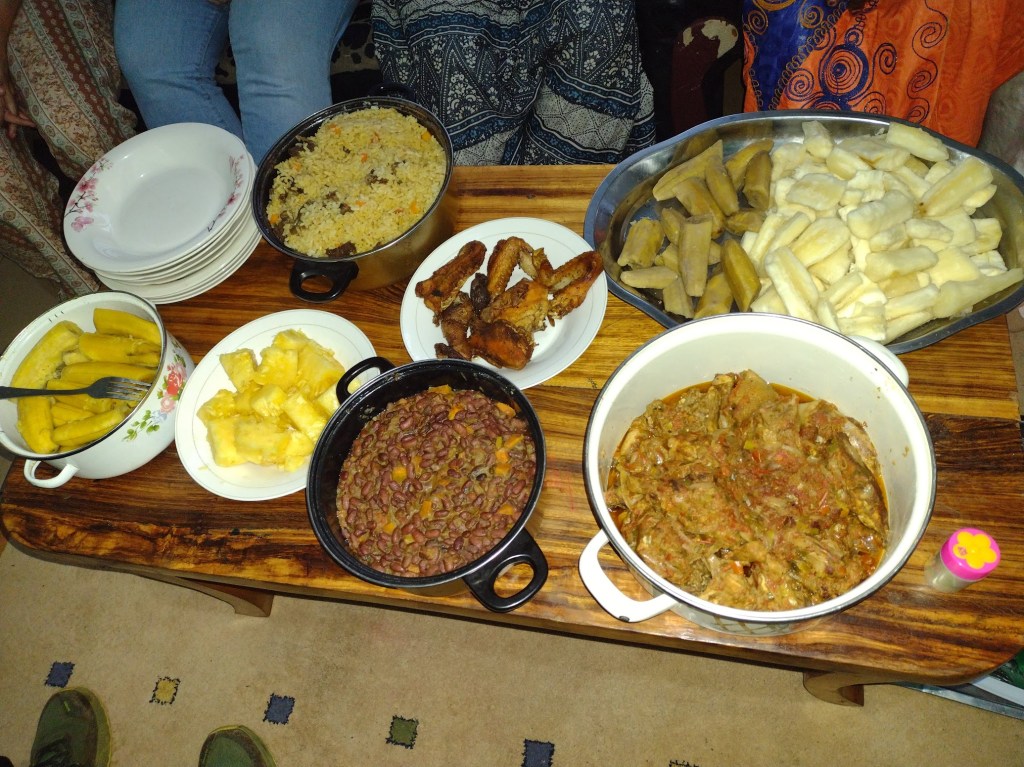
The teachings Ginny gave were designed for musicians, especially composers and pastors, and the participants told us that the material was new to them and valuable. The stand-out quote came in Edéa when one of the attendees, who had traveled two days from his village, said, “This workshop has shown me that we’re supposed to sing with understanding!”
Highlights from each group:
Baka
There is no Scripture translated into Baka yet, and there are only a couple of readers, but they do understand the need to have the word in their language. Translators are in place and beginning work, and some verses are roughly translated, so we used these verses as the basis for teaching and for encouraging song creation. The devotional I led on the qualifications for a church leader (described in 1 Timothy 3) was a high point and generated much discussion, and all the songs composed that day were solidly focused on that passage.
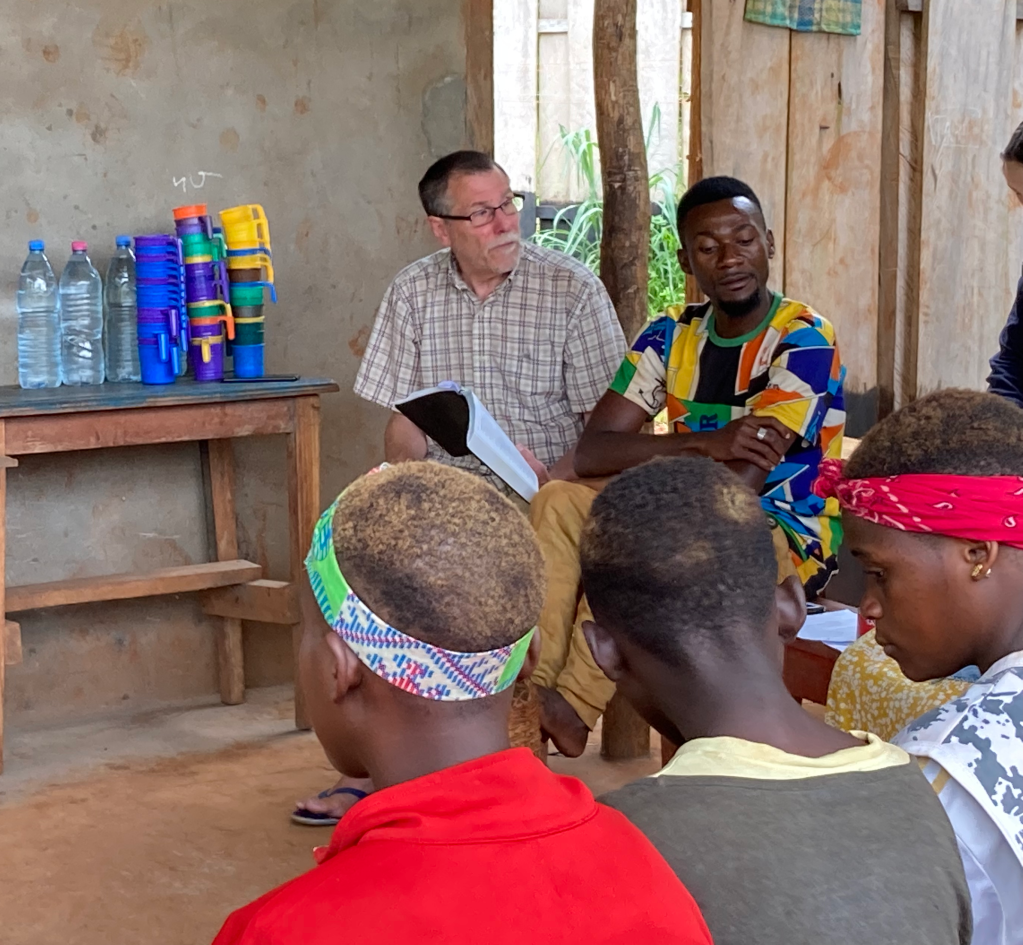
The same happened to a lesser extent the next day with Ginny’s devotional on the Proverbs 31 woman.
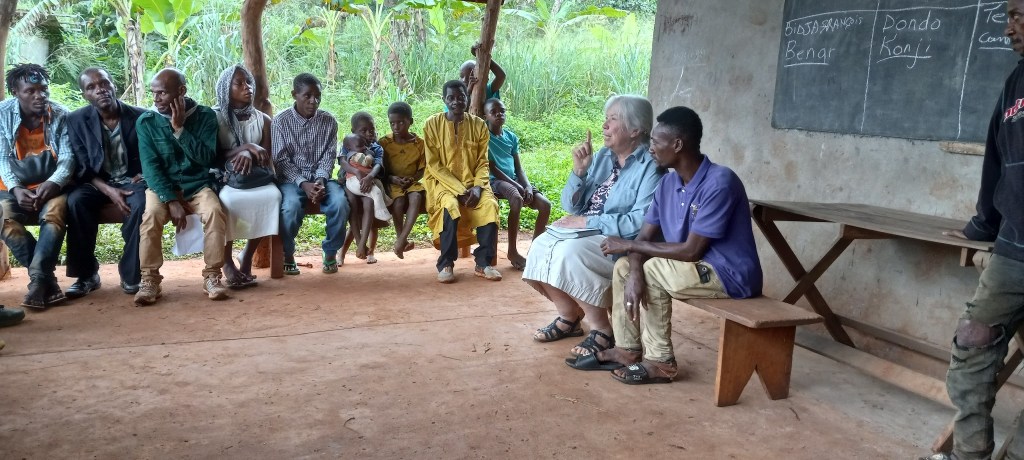
There has been much Western and other outside influence among this group, and their first songs all sounded very similar to our Western chorus “God Is So Good.” However, as the week went on, the songs began to sound less Western and more Baka. The missionary has told us that both she and the Baka are very happy with the spiritual emphasis in the teaching sessions and with the many new Bible songs that were composed.
She has already had many people come and ask when there will be another workshop like that one.
Here, for example, is a song composed that week based on Ephesians 5:18, “Do not be drunk,” a mindset sorely needed in Baka society.

Esimbi
A local church in Edéa kindly allowed us to use their building for the workshop, which was a blessing—the room was spacious and well lit and ventilated.
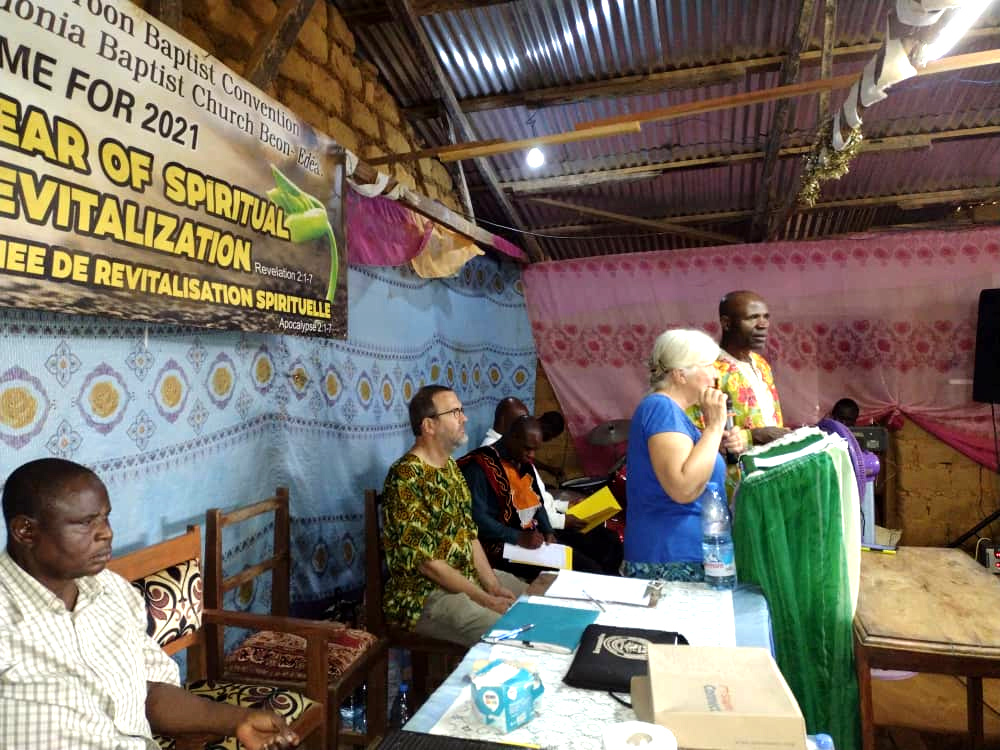
However, the room came with the church’s keyboard and “jazz band” drum kit, which the workshop participants used at first to accompany their Esimbi songs even when the keyboard was obviously at odds with the singing. But as the workshop progressed and we discussed the value of their own musical style and instruments, they stopped using the church’s instruments in favor of only their cultural drums. The schedule did not allow for as much discussion or as many composition sessions as we had hoped, but the participants composed thirteen new Scripture songs. Here is an example, based on Luke 4:8.
Here is how one group of Esimbi treated Ephesians 5:18–20.
Most of them came to the workshop believing that Western instruments and song styles lend prestige and power to churches, and they were surprised to hear that there are churches all over the world that do not use those instruments and styles and yet are growing in numbers and spiritual depth. The discussion became quite lively as we talked about ways to adapt local styles for worship, for example, songs celebrating new birth for Christmas, baptism, and conversion. They were interested in taking those ideas back to their home area and said they had developed a new appreciation for the value of their music. They also said they would like to have another conference next year.
The booklets that tracked each day’s lectures was greatly appreciated.
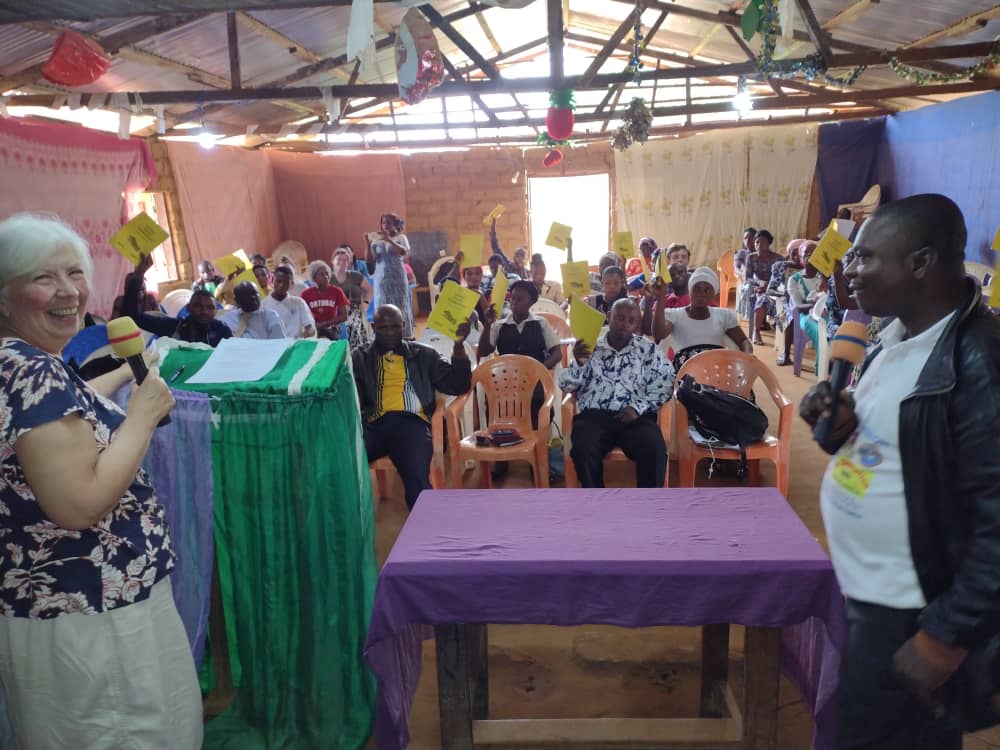
Many of the participants said they would take the booklets home and share them with other members of their churches.
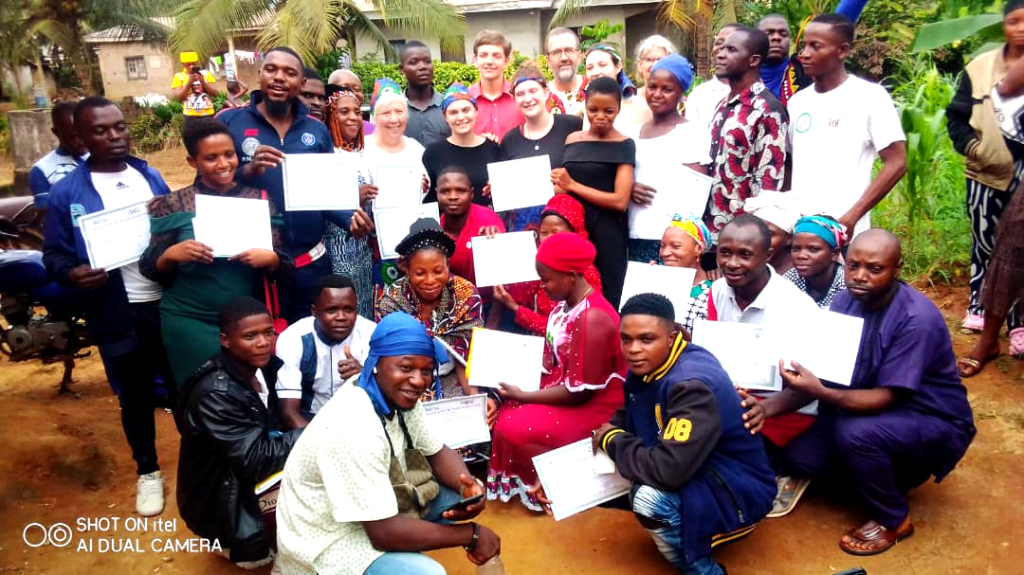
Comments from the workshop:
Thanks for the initiative you took to come and add value to our culture through the use of songs. This will go a long way to revive our music ministry. May the Almighty God continue to bless you even as you remain a source of blessing to uncountable number of people in the world. (Pastor David)
It has also brought revival in the lives of some participants. (Pastor Simon)
God has used you in an AWESOME way… You see, in the minds of the people the Western style of music “carries” success and is believed to better the position of a culture. Apparently the people are openly surprised at what they learned at the workshop, and villagers have committed themselves to teaching others what they have learned in an attempt to correct this confusion. (Kathy, one of the missionaries)
Elijah, the liaison between the Esimbi and CABTAL, had some especially pertinent comments:
Thank God almighty for World Team, thank God for CABTAL [Cameroon Association for Bible Translation and Literacy] for this Esimbi ethnomusicology workshop which has brought us to the limelight of understanding the importance of cultural Christian worship music. I believe this workshop will cause us to embrace cultural music in church more than ever before.
But from this workshop I’ve been able to understand that God created every human being and gave them the means for making music which is peculiar, which is unique to them, and gives them their musical instruments. And then people use them wrongly, but we use them now in the right way to worship God.
It will help to grow the church. Because there were some people who were, skeptical to come to church because they think that Christianity is all about the white man, because we use the white man’s language to sing and worship God, we use white man’s instruments. But now, I will work with my church leaders to see how we can pick up musical tools. I think that will change the mindset of my people. Most of them will think that Christian worship is not just a white man something, it is also for the Esimbi man.
Now that we’re back home, we’re looking for ways to keep the ball rolling over there. We’re in contact with the missionaries to both groups and with two Esimbi pastors by WhatsApp, and they tell us that the conversation is still alive. They ask for prayer for the growth of the churches, and they would like to see another workshop next year.
The interns all said in their debriefing interviews that they felt they had benefited from the trip and it was an amazing experience. They had been exposed to cultures completely unlike anything they had known before, and they had seen the importance of relationships in music ministry. Whether any of them will go into missional ethnomusicology remains to be seen, however, as they all have other plans for the next year, but we will be keeping in touch with them.
Thank you again for being our teammates for this venture. It was a privilege for us to be part of something that seemed profitable for everyone the whole way. When Ginny passed on greetings from our church and fellow Christians in the States, the Esimbi workshop erupted in clapping and shouts of joy. They look forward to meeting you all in heaven someday and are grateful that you were there in spirit with us.
Grace and peace,
Henry and Ginny
 Vernacular Discipleship through Music